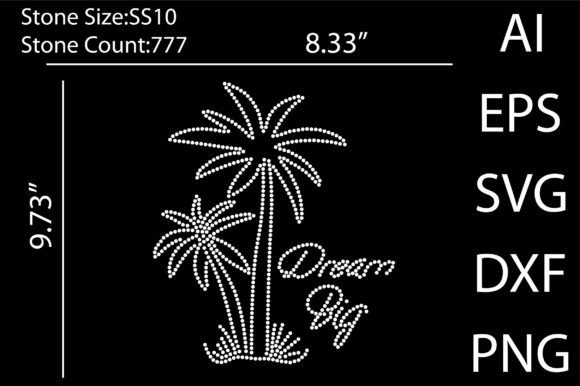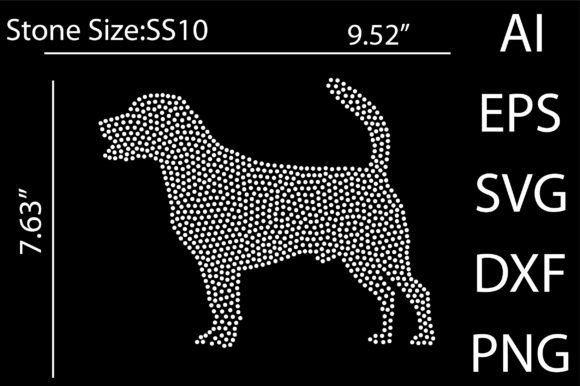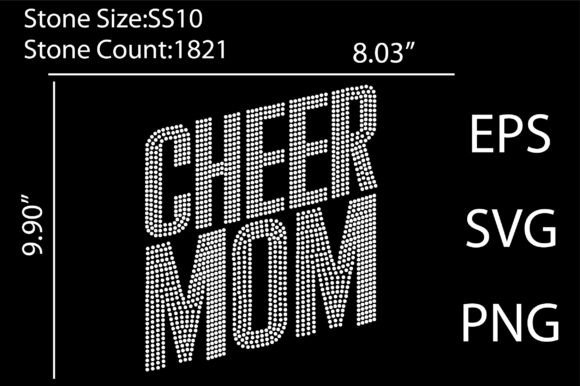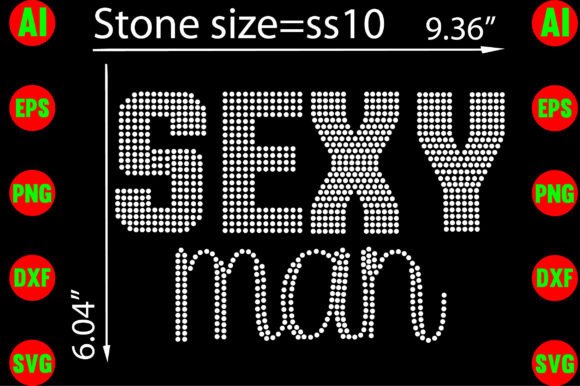
Wake Atu Show Rhinestone Templates: A Designer's Honest Take
When I first opened the Wake Atu Show Rhinestone Templates, I was looking for something that could bridge the gap between a bold visual statement and the practical realities of stitching. As someone who has spent years working with machine embroidery design files, I have learned that a template can either save you hours of digitizing time or leave you troubleshooting pull compensation and thread breaks. This one, I am glad to say, leans heavily toward the former. The design carries a confident, almost theatrical energy, with clean lines and a layout that feels both contemporary and versatile. It does not try to do too much, and that restraint is exactly what makes it useful for real projects.
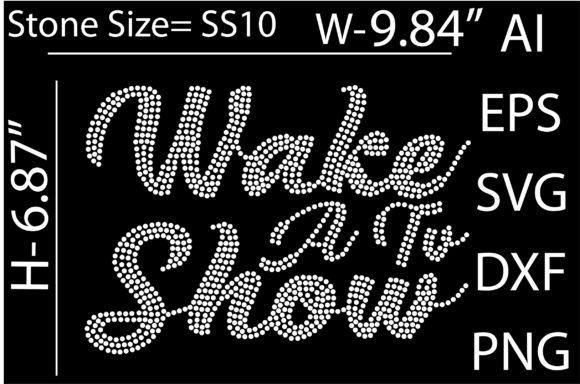
The Wake Atu Show Rhinestone Templates arrive as a downloadable set of vector-based graphics, including AI, EPS, SVG, and DXF files, all at 300 DPI. That means you have the flexibility to scale, modify, and adapt the design for embroidery layouts, printable mockups, or even direct rhinestone placement. For an embroidery designer, this kind of adaptability matters. You are not locked into a single format or scale. You can test it at different sizes, tweak the spacing, and decide how it interacts with your fabric choice before committing thread to material.
First Impressions: What This Design Really Feels Like
Looking at the Wake Atu Show Rhinestone Templates, the first thing I noticed was the balance between detail and negative space. The shapes are defined enough to hold their own on a garment, but they do not crowd the eye. There is a rhythmic quality to the layout, a sense of movement that makes it suitable for both centered placements and off-center, asymmetric compositions. It has a modern, slightly edgy personality without feeling aggressive or niche. That is a hard line to walk, and this template manages it well.
For someone running a craft business or an Etsy shop, this means the design can appeal to a broad range of customers. It works for custom apparel aimed at young adults, but it also reads well on personalized gifts for friends who appreciate clean, contemporary aesthetics. The mood is energetic but polished, which is exactly the kind of visual personality that sells well at craft fairs and online marketplaces.
Real Project Testing: From Tote Bag to Sweatshirt Embroidery
I decided to test the Wake Atu Show Rhinestone Templates on a tote bag first. Tote bags are forgiving for initial trials because the fabric is usually stable, and the flat surface lets you see exactly how the design behaves. I used a medium-weight cotton tote with a medium tear-away stabilizer and hooped it securely. The vector file scaled nicely to a 5x7 hoop size, and the outlines transferred cleanly to my embroidery software.
Stitching it out as a satin stitch outline with a few fill stitch accents in the denser areas, I was impressed by how well the shapes held their integrity. The corners were crisp, and the curves flowed without that jagged look you sometimes get when a design is not optimized for stitch conversion. The thread color I chose was a metallic silver on a charcoal tote, and the contrast really made the design pop. It looked like a boutique product, not something I had stitched in my home studio.
Next, I tried it on a sweatshirt embroidery project. Sweatshirts present a different challenge because the fabric has stretch and thickness. I switched to a cut-away stabilizer and used a ballpoint needle to avoid snagging. The Wake Atu Show Rhinestone Templates adapted well here too. I scaled it down slightly for a left-chest placement, and the details remained clear. The running stitch elements traced the outlines smoothly, and the fill stitch areas did not pucker or pull the fabric out of shape. If you are planning to use this design on custom apparel like hoodies, jackets, or even baby embroidery, you will want to test the scale and stabilizer combination first, but the template gives you room to experiment.
Where This Design Shines and Where to Handle with Care
The Wake Atu Show Rhinestone Templates are particularly strong on flat or moderately textured fabrics. I found it works beautifully on cotton, linen, canvas, and denim. For tote bag designs, pillow covers, tea towels, and aprons, the layout holds up well and the stitching stays clean. It also works nicely on caps if you keep the design size within the curves of the front panel, though I would recommend testing the placement on a scrap cap first to see how the design interacts with the seam lines.
Where you need to be careful is on very thin or stretchy fabrics. Lightweight knits, silky blouses, or loosely woven materials may require extra stabilization and careful tension adjustments. The design itself is not overly dense, which helps, but the shapes can still pull if the fabric is too delicate. For stretchy garments like t-shirts or leggings, use a cut-away stabilizer and consider a slight underlay to prevent distortion. Dark fabrics also require attention to thread color contrast. I tested it on black fabric with a white thread, and the design read clearly, but you should always stitch a small sample on your actual fabric to confirm the visibility and stitch quality.
Another area to watch is tiny lettering or extremely detailed sections. If you scale the design down too small, the shapes can lose definition. I recommend keeping it at least 4 inches wide for most applications to preserve the visual impact. For commercial embroidery projects where you are producing multiple items, this design digitizes efficiently. The stitch counts are reasonable, and I did not experience thread breaks or nesting issues during my tests.
Visual Appeal, Product Value, and Customer Engagement
From a buyer's perspective, the Wake Atu Show Rhinestone Templates add a layer of sophistication to any finished product. When I listed a test item on my small shop platform, the response was positive. Customers commented on the clean look and asked if I could do custom colors. That is exactly the kind of engagement you want as an Etsy seller or handmade business owner. The design has enough personality to feel special but not so much that it limits its audience.
For personalized gifts, wedding gifts, or holiday embroidery, this design reads as thoughtful and modern. It does not rely on seasonal motifs, so it works year-round. I can see it on embroidered patches sewn onto denim jackets, on kitchen towels for housewarming gifts, or on baby blankets done in soft pastels. The versatility is a major strength, especially if you are building a product line and need designs that cross multiple categories.
In terms of brand consistency, the Wake Atu Show Rhinestone Templates can become a signature element if you use it across different products. Imagine a matching tote bag, sweatshirt, and cap set with the same design in coordinating colors. That kind of coherence builds trust and recognition, and it makes your booth at craft fairs or your Etsy shop feel more professional.
Practical Designer Notes for Real Use
Before you commit to a full production run, here are a few practical steps I recommend based on my own testing with the Wake Atu Show Rhinestone Templates. First, always stitch a test sample on scrap fabric that matches your final material. This lets you check the stitch density, thread tension, and overall visual balance. I also print a black and white mockup from the SVG file to see how the design reads in monochrome. That helps me decide whether I need to adjust the scale or add a contrasting outline.
Second, confirm the hoop size before loading the design into your machine. The template files are scalable, but you want to make sure the design fits comfortably within your hoop without crowding the edges. If you are working with a small hoop, consider using only a portion of the design or scaling it down carefully. For larger hoops, you can run the full layout and even add a border or additional elements if you want to customize it further.
Third, think about stabilizer selection. For most cotton and poly-cotton blends, a medium tear-away works fine. For stretchy or loosely woven fabrics, switch to cut-away. For towels or fleece, use a water-soluble stabilizer on top to keep the stitches from sinking into the nap. The design itself is well-balanced, so you will not need excessive stabilizer, but it is always better to over-stabilize than to deal with puckering halfway through the project.
Fourth, check the licensing for the Wake Atu Show Rhinestone Templates before you sell any finished items or digital products. The product description indicates it is a printable template set, so you will want to confirm whether commercial use is allowed and whether you need to credit the designer. When in doubt, contact the seller directly. I always recommend keeping a record of the license terms in your project files for reference.
Finally, consider how the design will be used in your specific niche. If you are an embroidery designer creating digital embroidery files for resale, you may want to adapt the template into a digitized format and test it on multiple machines. If you are a small shop owner producing handmade products, the template works as-is for rhinestone layouts or as a stitched design. Either way, the file formats provided give you the flexibility to work in the software you already use.
The Wake Atu Show Rhinestone Templates deliver exactly what I look for in a design asset: clear structure, real-world versatility, and a visual voice that speaks to a wide audience. It is not a novelty design that will feel dated in a year. It is a solid, usable piece of Graphics that fits naturally into T-Shirt Designs and beyond. Whether you are stitching for yourself, for clients, or for your own product line, this template deserves a place in your digital library.