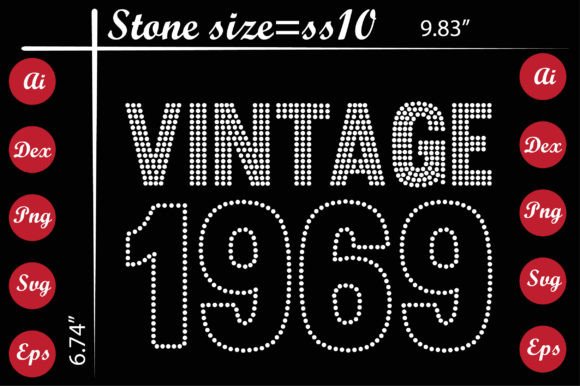
Vintage Rhinestone Templates Design Review for Real Projects
When I first opened the Vintage Rhinestone Templates Design files, I was immediately struck by how the layout balances intricate detail with clear, readable shapes. As someone who has tested countless embroidery files and graphics for client work, I know that a design’s first impression often tells you whether it will hold up in production or fall apart under the needle. This set of vector templates from the T-Shirt Designs category lands in a sweet spot: it feels ornamental without being fussy, structured without feeling stiff. The motif carries a retro mood that fits personalized gifts, boutique merchandise, and custom apparel equally well. But a pretty preview is only the beginning. What really matters is how it performs when you move from screen to fabric, from preview to finished product. I have been using these Graphics to create samples on different blanks, and I want to share my honest observations for anyone considering this for their craft business or personal projects.
First Impressions of the Vintage Rhinestone Templates Design
The overall personality of the Vintage Rhinestone Templates Design leans elegant and nostalgic. The shapes have a classic jewelry-like flow, with curves that suggest filigree without being overly delicate. That is a good thing for embroidery because fine lines in a design can get lost in dense stitching or on textured fabrics. Here, the open areas are generous enough to allow thread colors to read clearly, and the outlines feel confident. I could see this working well as a focal point on a sweatshirt, a centered motif on a tote bag, or a subtle accent on a cap. The template format also means you can adapt the layout to different placements: centered, offset, or repeated as a border. For an Etsy seller or small shop product creator, that flexibility saves time during the design phase. I tested a quick mockup on a dark heather gray sweatshirt using a metallic gold thread scheme, and the vintage feel immediately gave the garment a higher perceived value. That is exactly the kind of reaction you want from a buyer who is deciding whether your handmade product is worth the price.
Real-Life Embroidery Performance on Apparel and Accessories
I prepared a custom tote bag as my first real test. The fabric was a medium-weight cotton canvas, which is forgiving for most embroidery projects. I used a medium-weight cutaway stabilizer and hooped the fabric with moderate tension. The Vintage Rhinestone Templates Design digitized cleanly when I converted the vector file through my embroidery software. The shapes stitched out without gaps, and the curves maintained their flow even at the turning points. I noticed that the satin stitch sections had a consistent width, which helped the motif stand out against the fabric. The fill stitch areas were moderate in density, so the design did not become stiff. That is important for a tote bag that will be folded, carried, and possibly washed. I also stitched the same design onto a baby onesie for a holiday gift order. On lightweight knit fabric, I used a tear-away stabilizer with a topper, and the design held up beautifully. The small scale of the template worked well for the limited hoop size available on baby apparel. For anyone planning to sell these as finished products, I recommend testing the design on the actual fabric you intend to use, paying close attention to how the thread colors interact with the fabric texture. The design also performed well on a cap I embroidered as a sample. Curved surfaces can distort patterns, but the layout of the Vintage Rhinestone Templates Design adapted nicely when I digitized it with cap compensation. The result was a professional-looking embroidered patch effect that did not pull the cap material out of shape.
Where This Design Needs Careful Placement
No design works everywhere, and the Vintage Rhinestone Templates Design has a few considerations worth noting. The template contains some moderately narrow sections in the decorative flourishes. On stretchy fabrics like ribbed knits or lightweight jersey, those areas can distort if the stabilizer is not matched properly. I recommend using a strong cutaway stabilizer for stretchy materials and testing a sample before committing to production. The design also has open negative spaces that look best on solid-colored backgrounds. On busy patterns or heavily textured fabrics, the clarity of the shapes can get lost. For dark fabrics, consider using a white or light-colored underlay to prevent the fabric color from showing through the stitches. I also advise checking the hoop size before you start. The template files are scalable, but scaling too small will cause the finer details to become crowded, increasing stitch density and potentially causing thread breaks or fabric puckering. Conversely, scaling too large on a small hoop may require splitting the design into multiple hoops, which is not ideal for production efficiency. For commercial embroidery projects where you are producing multiple units, I suggest standardizing on one hoop size and one scale that works across your most popular products. That consistency saves time and reduces waste during production.
Visual Appeal, Product Value, and Customer Engagement
From a buyer’s perspective, the Vintage Rhinestone Templates Design communicates a sense of craftsmanship. When I posted a preview of my finished tote bag on social media, the feedback focused on the “detailed” and “high-end” look of the embroidery. That is exactly the kind of response that drives sales for small shop products and handmade gift items. The design also works well for personalized gifts because the layout leaves room for adding monograms, names, or small text elements without crowding the main motif. For a wedding gift or a holiday embroidery project, you can pair the template with a simple serif font, and the overall presentation feels intentional and polished. The design also adapts nicely to printable mockups for digital product listings. Because the vector files are included, you can create clean previews for your Etsy shop or website without needing to embroider every sample. That saves both time and material costs. However, I do want to emphasize that the actual embroidery finish will always look better than a digital mockup. Customers can tell the difference between a rendered preview and a real stitched sample, so I recommend including at least one photo of the finished product in your listings. That builds trust and helps buyers feel confident before they purchase.
Practical Designer Notes Before You Use This Template
Before you start your embroidery project, there are a few practical steps I always take with any new design, and I recommend the same approach for the Vintage Rhinestone Templates Design. First, test the file on scrap fabric that matches the weight and texture of your final product. Use the same thread colors you plan to use for production. I have learned the hard way that a design can look perfect on a computer screen but behave differently when stitched. Second, check the thread color contrast against your fabric. The vintage style of this template works beautifully with metallic threads, but metallic thread can fray or break in dense stitch areas. If you plan to use metallic thread, reduce the machine speed and use a thread lubricant. Third, review the stitch density in your embroidery software. If the design has sections that feel too dense, consider scaling it up slightly to give the stitches more room to lay flat. Fourth, always use the appropriate stabilizer for your fabric. For most woven fabrics, a medium-weight cutaway is safe. For knits or stretchy materials, a heavier cutaway with a topper will prevent the stitches from sinking into the fabric. Fifth, test the design in both light and dark fabric mockups to see how the negative spaces and open areas read. Sixth, confirm the licensing terms before you sell any finished items made from this design. Since the product description does not specify commercial use rights, I recommend contacting the seller to clarify whether you can use the templates for products you sell. That is a standard step for any digital embroidery file or graphic asset, and it protects your business from potential issues down the road. Finally, if you are creating digital products such as printable mockups or design assets for other crafters, ensure that your license allows that type of distribution. When in doubt, ask the creator directly. It is better to get clearance upfront than to deal with a takedown notice after you have invested time and materials.
Final Thoughts on the Vintage Rhinestone Templates Design
After running multiple tests on different blanks and fabric types, I feel confident recommending the Vintage Rhinestone Templates Design for anyone looking to add a refined, retro-inspired look to their custom apparel, handmade products, or personalized gifts. The vector files are clean and easy to adapt, the layout works across a variety of product categories from t-shirts to tote bags to baby items, and the overall visual personality resonates well with buyers who appreciate detail and craftsmanship. It is not a design that you can just download and stitch without preparation, but with the right stabilizer, thread choices, and scaling adjustments, it produces results that elevate your product line. Whether you are an Etsy seller building a cohesive brand, a small business owner preparing a holiday collection, or a hobbyist creating gifts for family, this template offers a solid foundation for professional-looking embroidery work. Take the time to test it properly, and you will end up with finished products that feel premium and thoughtful. That is the kind of quality that keeps customers coming back and recommending your shop to others.